|
|
|
Bottling the Future |
|
|
|
|
|
Hugh Kruzel |
|
|
|
A distraction from housework, this text had me sitting on the carpet for hours while I reflected on what these years between have brought us. How have we changed? Look no further than Garrett de Bell’s own words: "The environmental crisis has come into the public consciousness so recently that the word “recycle” doesn’t even appear in most dictionaries."
Show me today even one child who doesn’t know what goes into the black box; albeit there are many adults who reluctantly “play-the-game” while others opt out entirely. Oh, yes, no doubt there will be still more continued resistance to composting or collection of green wastes, but where will the arguments be in another 36 years: 2042? Childhood memories are
strong ones. There is one opportunity I remember folks saying would never float
– Beer Bottle return. Our highways and rural roads were littered thoroughly
with little brown stubbies. As kids we looked forward eagerly to the walk home
from school on Mondays when we filled our packs (these were the days when we
still had brown paper shopping bags) with (what would soon become) nickels and
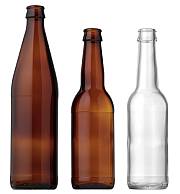
dimes. Some weeks more and others less… less…few… little. If we can do this with Beer Bottles why not all? Why not wine bottles? We are talking about premium containers that could easily be refilled a dozen times. Tolerance of ten refills are easy, said one specialist. If there is a business merit to the brewers and beer retailers of Ontario, and elsewhere, why create, or remake, when recycling is a natural fit? Brand new glass today typically travels from factories in Turkey and China. Think of the transportation energy savings alone from re-use!
Our North American society almost always takes the path of least resistance until conditions change and there is a groundswell demand for evolution of new methodology. Europe leads – we follow. Have you ever thought about how much more we could divest from today’s landfills? Could we create systems that eliminate this terminal behaviour? Why has Toronto been sending its waste to Michigan?
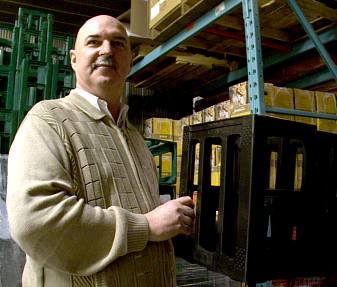
Bottles Up seems like a No-BrainerA group of environmentalists at heart asked many of the questions I’ve posed and acted on a growing trend to Take-it-Back, a programme endorsed by the City of Ottawa, Canada and in similar incarnations in many other municipalities. They established an action plan and location where individuals and businesses can deflect good bottles from the waste stream. I visited their collection site outside Manotick village to talk with entrepreneur Ralph Rick and manager Ron Kawecki and to see first-hand the current status of this venture and hear about future plans. Action NowWeekly, some 1200-1400 bottles come directly to the warehouse from individual households, while businesses subscribe to a scheduled pick-up path. Major restaurant chains (Cara’s Swiss Chalet) and destination hotels (Fairmont Chateau Laurier) contributed in the early days of operation, while now monthly more than 2000 other cartons from e18hteen, Milestones, the House of Commons, and many others, fill the van. “We are working with more than 60 properties, and 25 additional are on the immediate horizon,” stated Kawecki. Imagine if this went city-wide/ region-wide/province-wide? The distinctive six bottle crate, made from recycled plastics, would be an easy fit into our household curbside programme. Better yet, consider the implications of drop off points at Loblaws, PetroCan, the Liquor Control Board of Ontario(LCBO), or other convenient, centrally-located, neighbourhood spots? Take this up a few notches and recall the 1970s activism that would have us returning all containers to merchants and making it “their problem” - just go shopping without a carrier-bag in Europe and see what looks you get at the grocery store!
Kawecki points out that this is distinctly different from the Blue-Box programmes. The 1 lb. glass bottles are washed in 150F water with mild detergents and are now sold to home winemakers. Peninsula Ridge, a Niagara estate winery, has their distinctive bottles pulled for use by glass artisans. Up to now the monthly pattern has had 18,000 bottles returned to use and 7,000, including broken glass, going the blue-box route. Cardboard cartons are not wasted either: bundled and strapped, they are sent on to another recycling plant.
Blue Galaxy tumblers are made from reclaimed Westport Rivers wine bottles. Ralph Rick indicates that the recently created website Bottles Up is the best place for the collection and reuse of refillable glass wine bottles: for location, hours of operation and general concepts. Bottles Up is a common-sense response demanding little change from our habits. To make the programme more viable, growth is vital “…we can handle four times the volume,” Rick says. (This article first appeared in Contact: Hugh Kruzel |
|
|
|
|